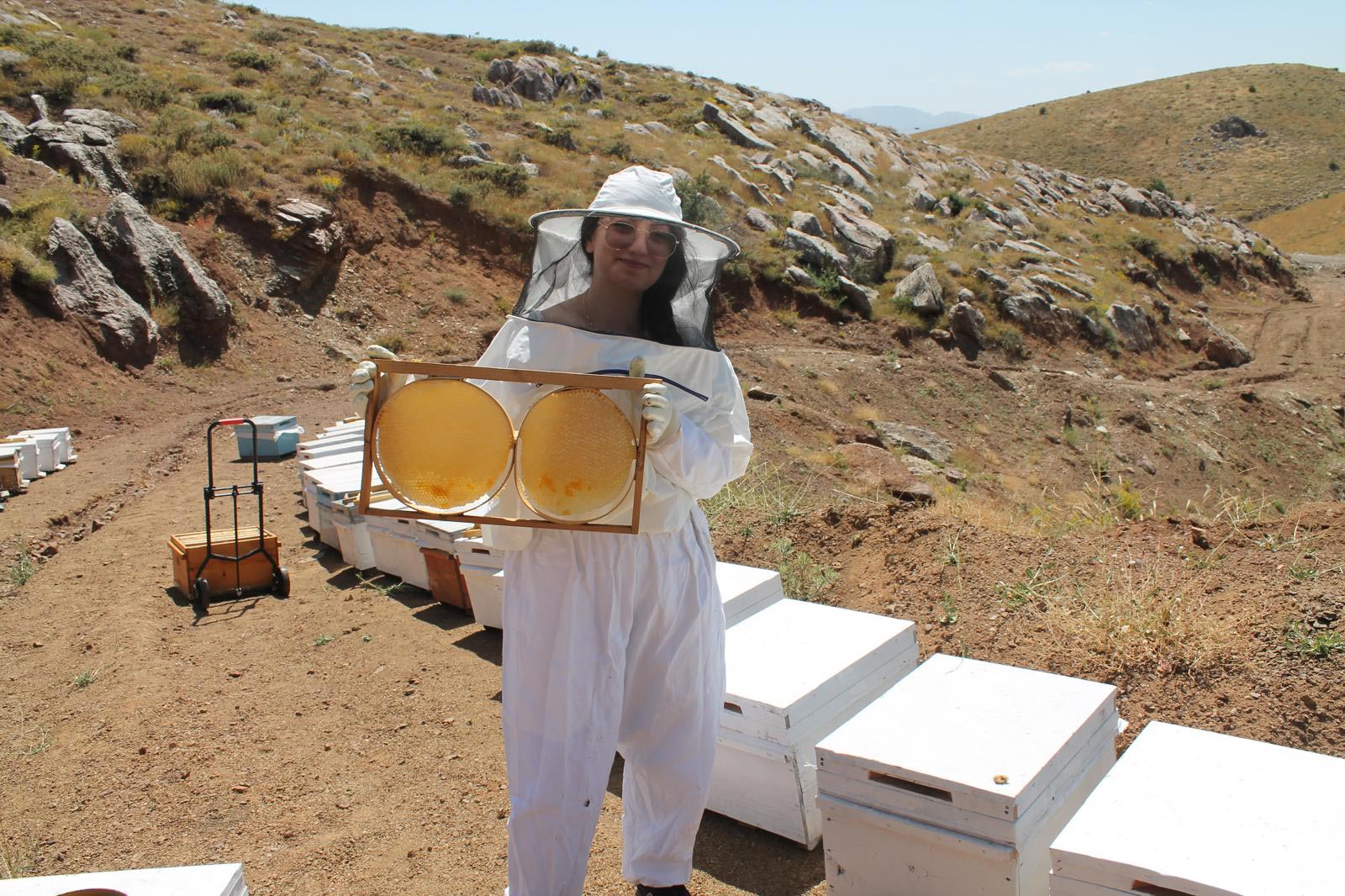


Honey’s medical makes use of might transcend therapeutic wounds, as laboratory experiments counsel multifloral honey may strengthen human pores and skin cells’ defenses towards damaging UV radiation.
Ultraviolet (UV) radiation from daylight can speed up pores and skin growing older and place cells underneath stress, doubtlessly contributing to wreck that precedes pores and skin most cancers. As scientists discover methods to raised defend the pores and skin, researchers in Italy are investigating whether or not multifloral honey may assist human pores and skin cells face up to UV publicity.
Honey is already valued in drugs and cosmetics for its antioxidant, antimicrobial, anti-inflammatory, and wound-healing properties. Sterile honey-based dressings, gels, and ointments are used to deal with burns and difficult-to-heal wounds.
Dr. Fikiye Fulya Kavak, a member of Professor Margherita Maioli’s analysis group on the College of Sassari, Italy, drew inspiration from her background in medical biology and pursuits in beekeeping and beauty science.
“I’ve all the time been interested by the truth that sure honeys, equivalent to Manuka honey, are utilized in medical-grade purposes,” Kavak stated. “This led me to ask whether or not high-quality multifloral honey may additionally present measurable protecting results for human pores and skin cells.”
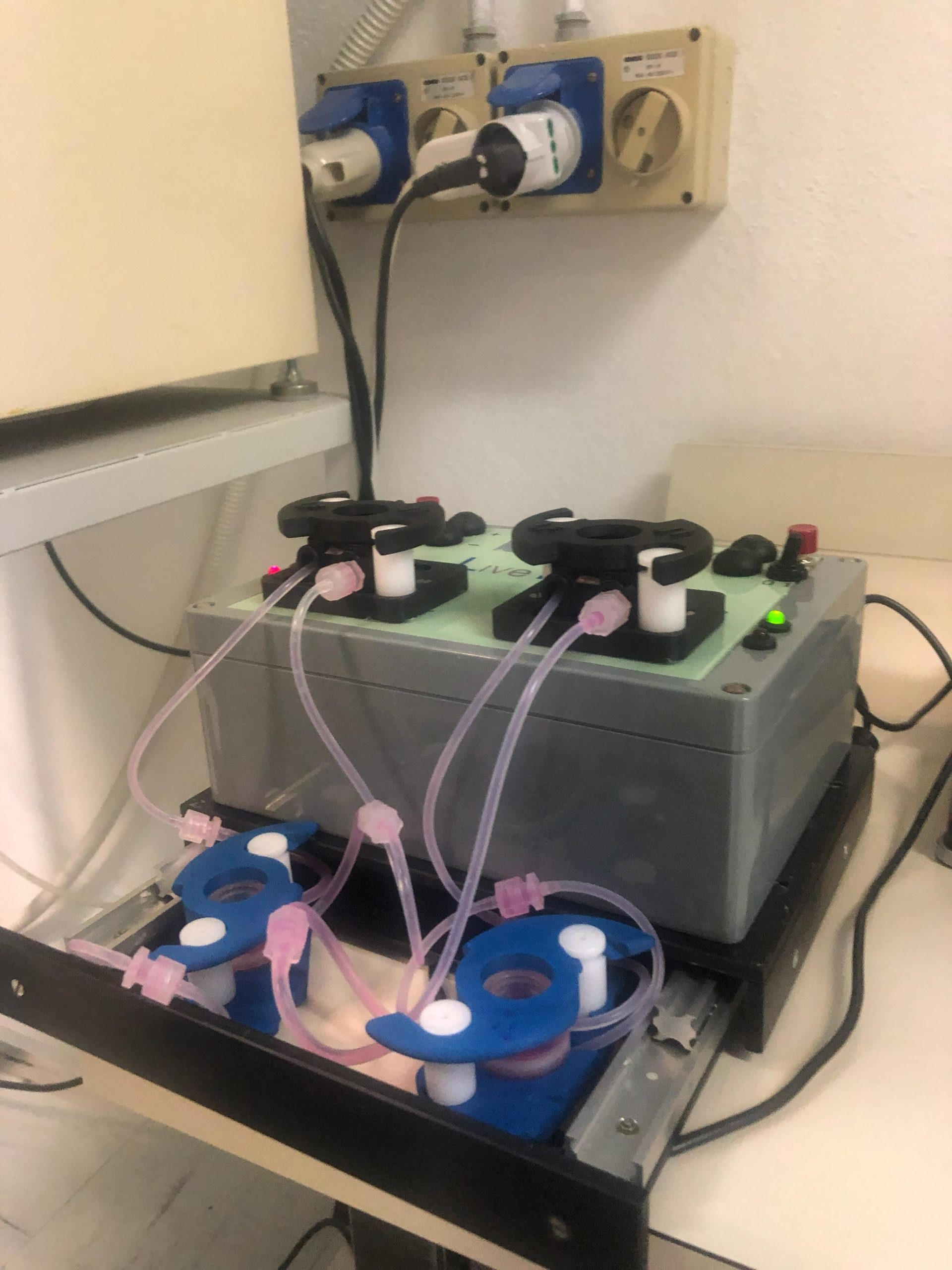
To analyze, the researchers grew human pores and skin stem cells, fibroblasts, and keratinocytes collectively in a constantly flowing bioreactor designed to simulate situations in human pores and skin. Some cultures obtained a 1% multifloral honey therapy for 48 hours earlier than UV publicity, whereas others remained untreated.
The group then in contrast how the cells responded to UV-induced stress. Utilizing real-time quantitative PCR, in addition they measured the exercise of chosen genes concerned in growing older, stress responses, tissue renewal, and stemness, the power of stem cells to breed themselves or become specialised cells.
Honey-treated cells present stronger defenses
The outcomes steered that honey pretreatment helped pores and skin stem cells and fibroblasts regulate their responses to UV injury. “In pores and skin stem cells, honey elevated the expression of stemness-related markers, whereas decreasing the expression of aging-associated genes,” Kavak stated.
Honey-treated stem cells additionally launched much less nitric oxide and confirmed larger antioxidant capability, suggesting improved defenses towards UV-induced stress. Genetic evaluation additional revealed elevated expression of stress-protection genes and adjustments in indicators controlling cell proliferation and renewal.
“What was significantly attention-grabbing was that honey appeared to assist the cells discover a more healthy stability after UV stress,” Kavak stated. “Moderately than pushing the cells into an exaggerated restore response, it appeared to assist protecting mechanisms whereas preserving renewal-related indicators underneath management.”
Honey is not any substitute for sunscreen
The findings provide an early indication that multifloral honey may assist pores and skin safety, though the researchers haven’t established whether or not these results happen in individuals.
“Our examine was carried out in cell-based experimental fashions, not in people, so additional laboratory, preclinical, and scientific research are wanted earlier than any sensible suggestion may be made,” Kavak stated. Honey ought to subsequently not be thought-about a substitute for sunscreen.
From cell indicators to potential therapies
The group is now investigating the molecular mechanisms behind these responses. “We have now been engaged on protein-level validation research to verify whether or not the molecular adjustments noticed on the mRNA stage are additionally mirrored on the protein stage,” Kavak stated.
Researchers are additionally exploring a nanofiber-based system that would finally ship honey’s lively compounds in a managed, skin-compatible type for beauty or medical purposes.
“These nanofibers have already been characterised, and their organic analysis is at present ongoing,” Kavak stated. “This represents an essential subsequent step, as nanofiber-based techniques might present a extra superior platform for learning the potential skin-related purposes of pure bioactive compounds equivalent to multifloral honey.”